
For organizations entrusted with controlled unclassified information (cui), meeting CMMC CUI compliance requirements is not optional; it is a prerequisite for maintaining and winning DoW contracts. The stakes are particularly high, requiring a meticulous approach to compliance and security.
As an authorized C3PAO and experienced CUI boundary analysis provider, Coalfire Federal helps you define your CUI scope, reduce compliance burden, and prepare for assessment with confidence.
CUI refers to sensitive information that is not classified but still requires safeguarding pursuant to and consistent with applicable laws, regulations and government policies. CMMC CUI requirements apply to any defense contractor that processes, stores, or transmits CUI as part of a DoW contract; making a clear understanding of what CUI your organization handles, and where, a critical first step in any CMMC compliance program.
Understanding what categories of CUI your contracts specify and then ensuring compliance with related security requirements is crucial, not only to maintaining the integrity and security of that sensitive information, but to your opportunities to continue supporting such contracts.

Conducting a CUI Boundary Analysis is one of the most impactful steps a defense contractor can take before beginning a formal CMMC assessment. As an experienced CUI Boundary Analysis provider, Coalfire Federal works with your team to map where CUI lives in your environment and reduce the scope of your compliance obligations.
The result is a clearer path to certification and a more defensible security posture. Conducting a CUI Boundary Analysis offers numerous benefits to organizations handling sensitive information.

Coalfire Federal is built for continuity, so your assessment experience doesn’t reset every year. We maintain assessment memory, consistent methodology, and stable delivery teams, allowing you to plan beyond your first certification.

Our assessments are delivered by in-house assessors using standardized, repeatable processes. We offer assessment insights so you know what “Day One ready” looks like before the assessment begins.

CMMC Level 2 assessments are our core focus. We do not sell remediation services or adjacent products, ensuring findings are based solely on evidence and requirements. Our independence protects the integrity of your assessment and certification.

Aircraft systems, avionics, missiles, and classified DoD technology development


Military medicine, biotech R&D, and protected health data in DoD-aligned systems

Design, prototyping, and systems integration across classified DoD programs

DoD-funded university labs and R&D centers handling sensitive CUI

Inventory, shipping, warehousing, and sustainment tied to defense contracts
Aircraft systems, avionics, missiles, and classified DoD technology development
Military medicine, biotech R&D, and protected health data in DoD-aligned systems
Design, prototyping, and systems integration across classified DoD programs
DoD-funded university labs and R&D centers handling sensitive CUI
Inventory, shipping, warehousing, and sustainment tied to defense contracts

Managed IT, secure cloud, and systems admin for DoD CUI environments

Space launch, orbital tech, and CUI-managed satellite comms systems

Secure base construction, facility design, and military infrastructure projects

Secure grid control systems, plant automation and field operations

Secure 5G, tactical radio, and network services for DoD communications

Military vehicle platforms, mobility systems, and armored transport design
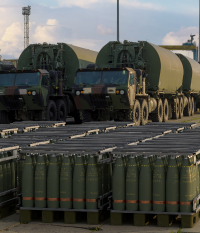
Firearms, munitions, explosives, and ITAR-governed weapons systems
Managed IT, secure cloud, and systems admin for DoD CUI environments
Space launch, orbital tech, and CUI-managed satellite comms systems
Secure base construction, facility design, and military infrastructure projects
Secure grid control systems, plant automation and field operations
Secure 5G, tactical radio, and network services for DoD communications
Military vehicle platforms, mobility systems, and armored transport design
Firearms, munitions, explosives, and ITAR-governed weapons systems
Please note that this FAQ is a summary and should be used in conjunction with the official CMMC documentation for precise guidance and compliance instructions.
CUI is sensitive information that requires safeguarding, even though it's not classified. It includes data related to defense, export control, finance, immigration, and more. Under CMMC, contractors that process, store, or transmit CUI are subject to level 2 requirements and must demonstrate compliance through a formal C3PAO assessment.
The DoW specifies security regulations for CUI through the DFARS. Companies handling CUI contracts must comply with DFARS regulations. Specifically, DFARS 252.204-7012 requires contractors to implement NIST SP 800-171 controls and report cyber incidents involving CUI; requirements that flow directly into CMMC level 2 certification.
It safeguards national security, protects sensitive government information, and ensures data integrity. Adhering to CUI protection measures maintains trust with government agencies and stakeholders. Failure to properly protect CUI can result in contract loss, disqualification from future DoW opportunities, and potential legal liability under DFARS.
Implement robust data protection measures like NIST 800-171 controls and CMMC. Establish clear protocols for data handling and transmission. The first step in protecting CUI effectively is understanding exactly where it exists in your environment, which is precisely what a CUI boundary analysis delivers.
NIST SP 800-171 applies to all entities that handle CUI, whether directly or indirectly through government contracts. This includes prime contractors and subcontractors throughout the defense supply chain who process, store, or transmit CUI as part of their scope of work.
Coalfire Federal provides expert CMMC guidance and official assessments to ensure your organization is fully compliant, allowing you to focus on your core mission with complete confidence.